Standing before each thing
In a corner of the site, materials are stacked.
Thin battens. Large sheets of plywood. Metal fittings of every shape.
There is the smell of freshly cut wood.
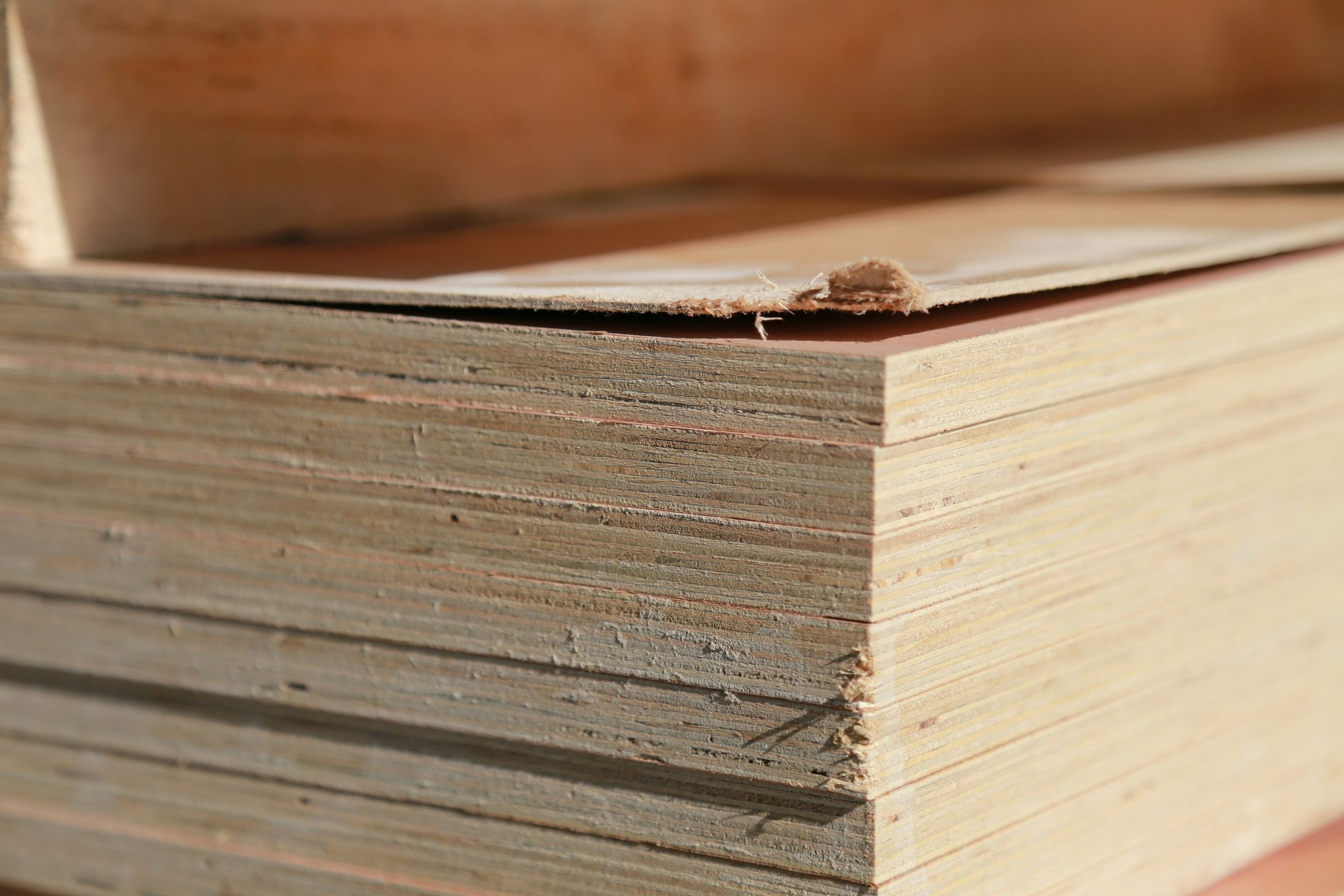
“This is a batten. This is plywood. This is a form tie.”
The president points at each one and calls out its name.
Beside him stands a technical intern trainee just arrived from the Philippines.
An unfamiliar country, an unfamiliar site.
He does not yet know the name of a single thing in front of him.
If you don’t know the names, you can’t fetch anything when someone says, “Bring that over.”
So the president took him to stand in front of each thing, and taught him.
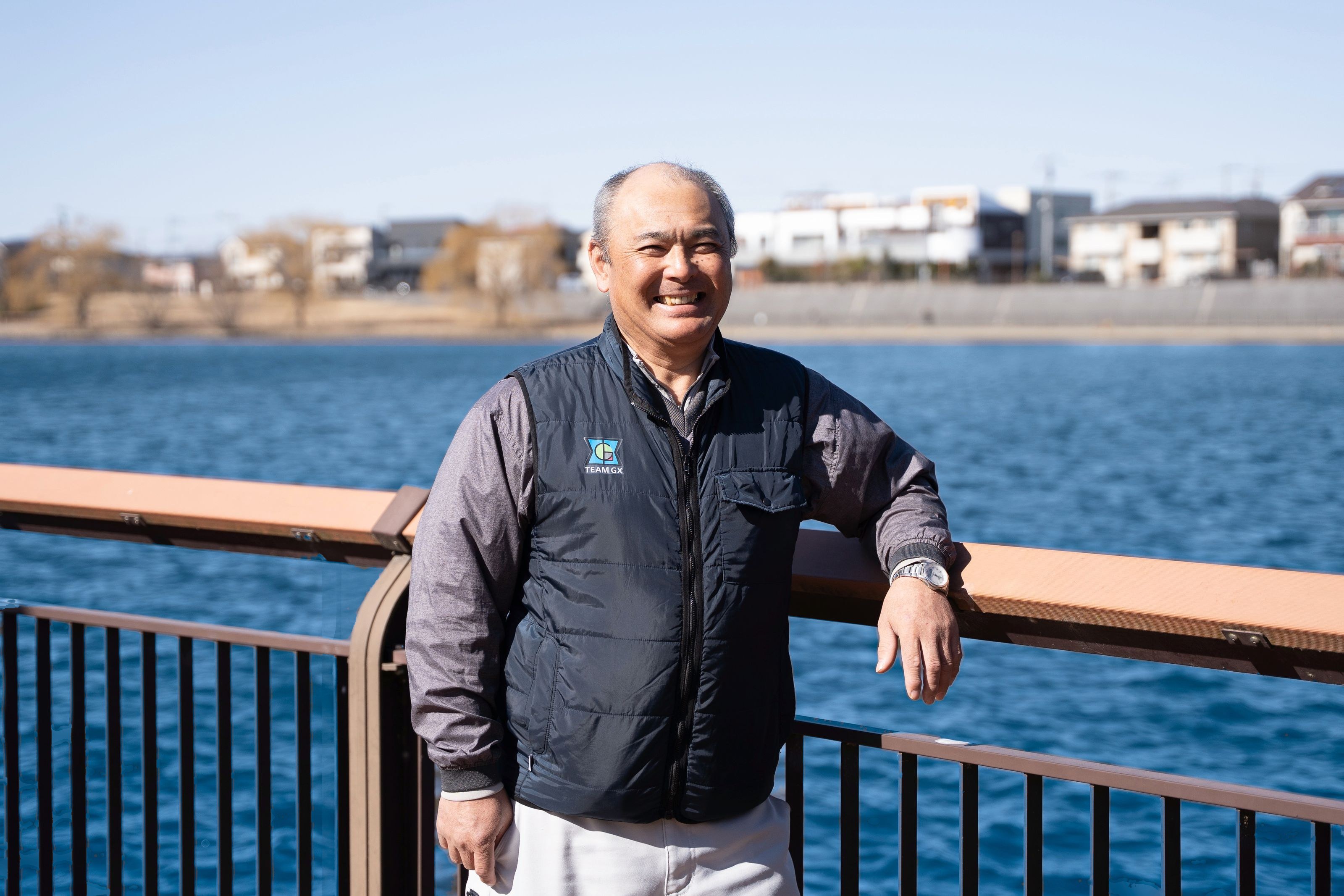
The president, too, once had nothing to do with formwork.
Until dark
A town in Kyushu.
Even as the sun went down, he played outside with the neighborhood kids.
He never came home before dark.
“I was hardly ever home, I guess.”
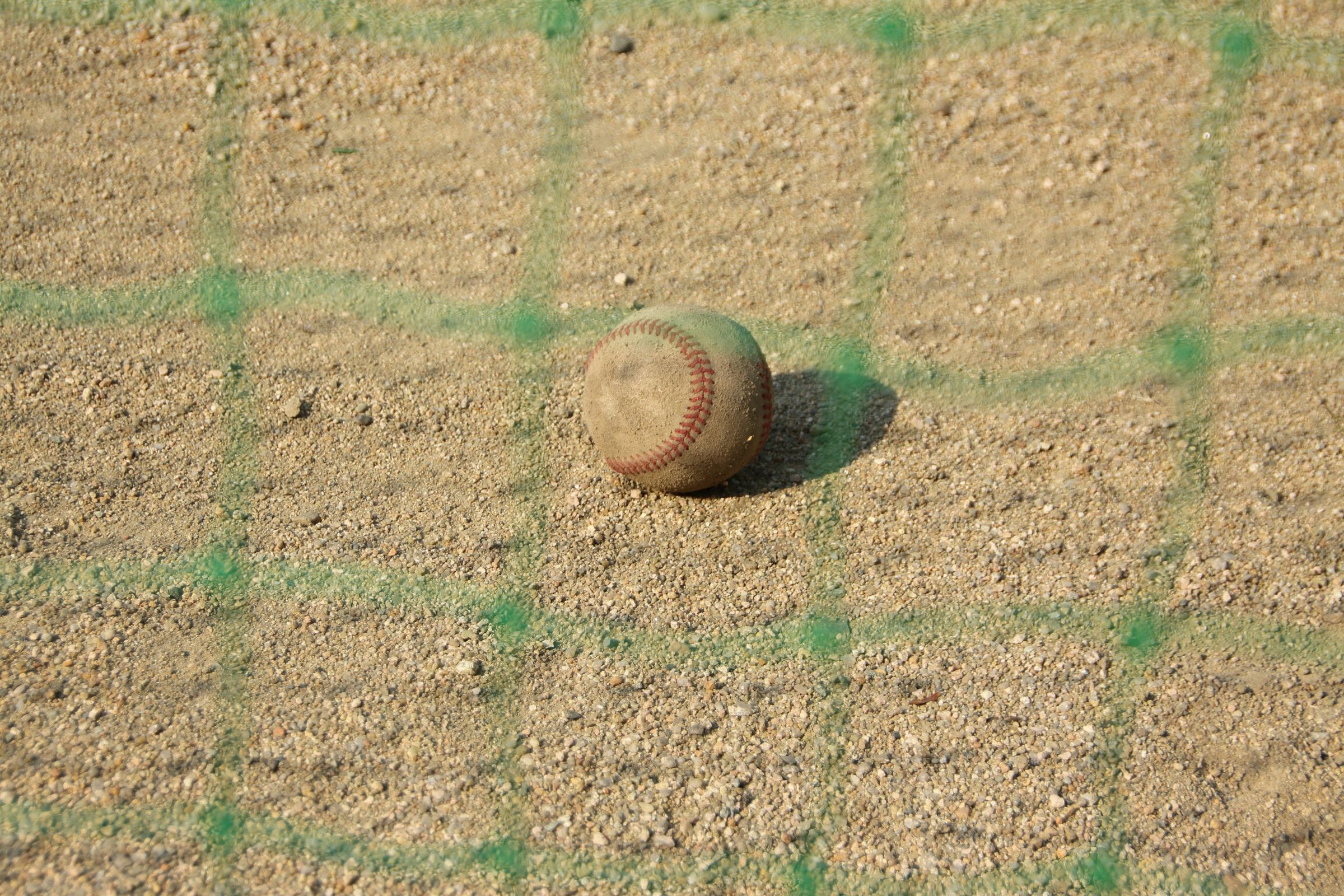
Through junior high and high school, he lived for baseball.
For all six of those years, he dreamed of playing at Koshien.
After high school, he worked near home for a while.
“I thought, this isn’t for me — and I just came out here.”
A junior-high classmate of his mother ran a formwork company in Saitama.
Relying on that connection, he left Kyushu.
“I’d never met that person, you know.”
A company in an unfamiliar place, run by someone he had never met.
There, for the first time, he came across formwork.
“It just happened to be carpentry. It could just as well have been rebar. It really was luck.”
Formwork is a wooden frame: plywood held up by battens and joined with form ties.
It bears the weight of the concrete until it sets.
Once the concrete has hardened, the formwork comes off.
In the finished building, none of it remains.
Thirty-seven years have passed since then.
“Longer than I ever lived back home.”
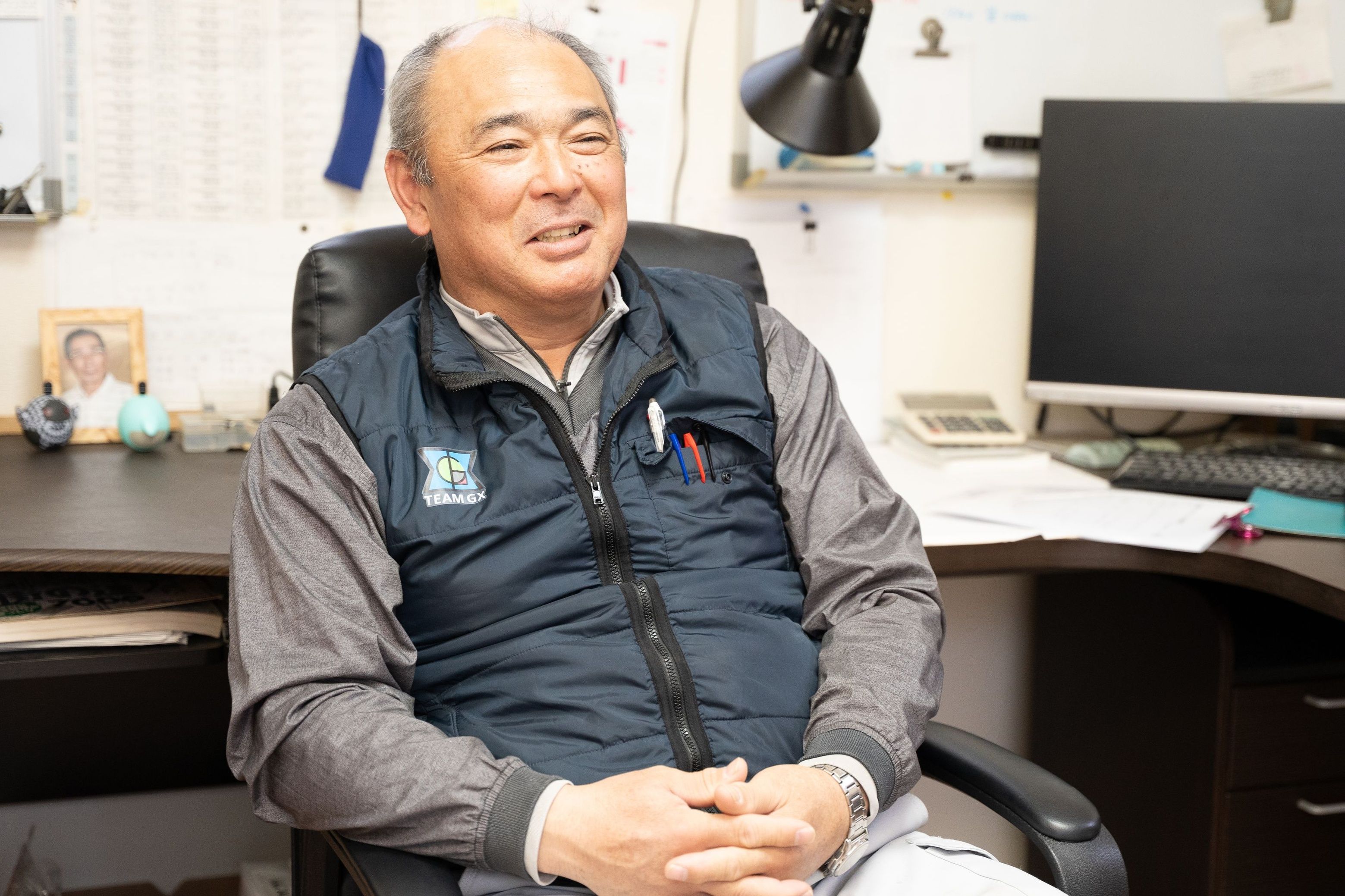
Even when he said “let go”
About ten years ago, the company welcomed its first technical intern trainees from the Philippines.
The president has even traveled to the Philippines for interviews.
The first thing he always asks: “Can you handle the summer?”
Japanese summers cling to you with humidity.
In that heat, they work in long sleeves, long pants, and helmets.
“What worried me most was whether they’d understand the language.”
One day on site.
A craftsman and a newly arrived technical intern trainee were holding the same piece together.
“Hanase — let go,” he said, but the hands stayed put.
He wanted him to let go and set it down.
That meaning did not get through.
In Japanese, “hanase” can also be heard as “speak.”
“Japanese is a strange language. There are words that sound the same but mean different things, aren’t there?”
“If they don’t understand words like ‘Don’t go in there,’ I wondered whether they could really work on site.”
That is why the words he teaches come in a certain order.
“The words for danger — those are what I want them to learn first. ‘Don’t do that.’ ‘Careful.’ ‘You’ll fall.’”
The president himself grew up in a generation that learned by being shouted at.
“If you teach while you’re angry, nobody learns — and nobody feels good about it. So, no, I don’t get angry.”
We asked whether anything had been hard.
There was a long pause.
“Hard… Well, it’s only the language, really.”
“Like this. This is how it’s done.”
On the day of the interview, he could not finish the task within the time given.
But when he was done, he left everything clean and tidy.
Seeing that, the president decided he wanted him to come.
Finish one job, clean up properly, then move on to the next.
For eight years, he kept up the tidiness the president had seen on the day of the interview.
Many seasons came and went.
Some years after he joined the company:
“Like this. This is how it’s done.”
By then, he was the one planning the work.
In the beginning, what the president worried about was whether “Watch out” would reach them.
Now, on site, they are the ones who say, “Watch out.”
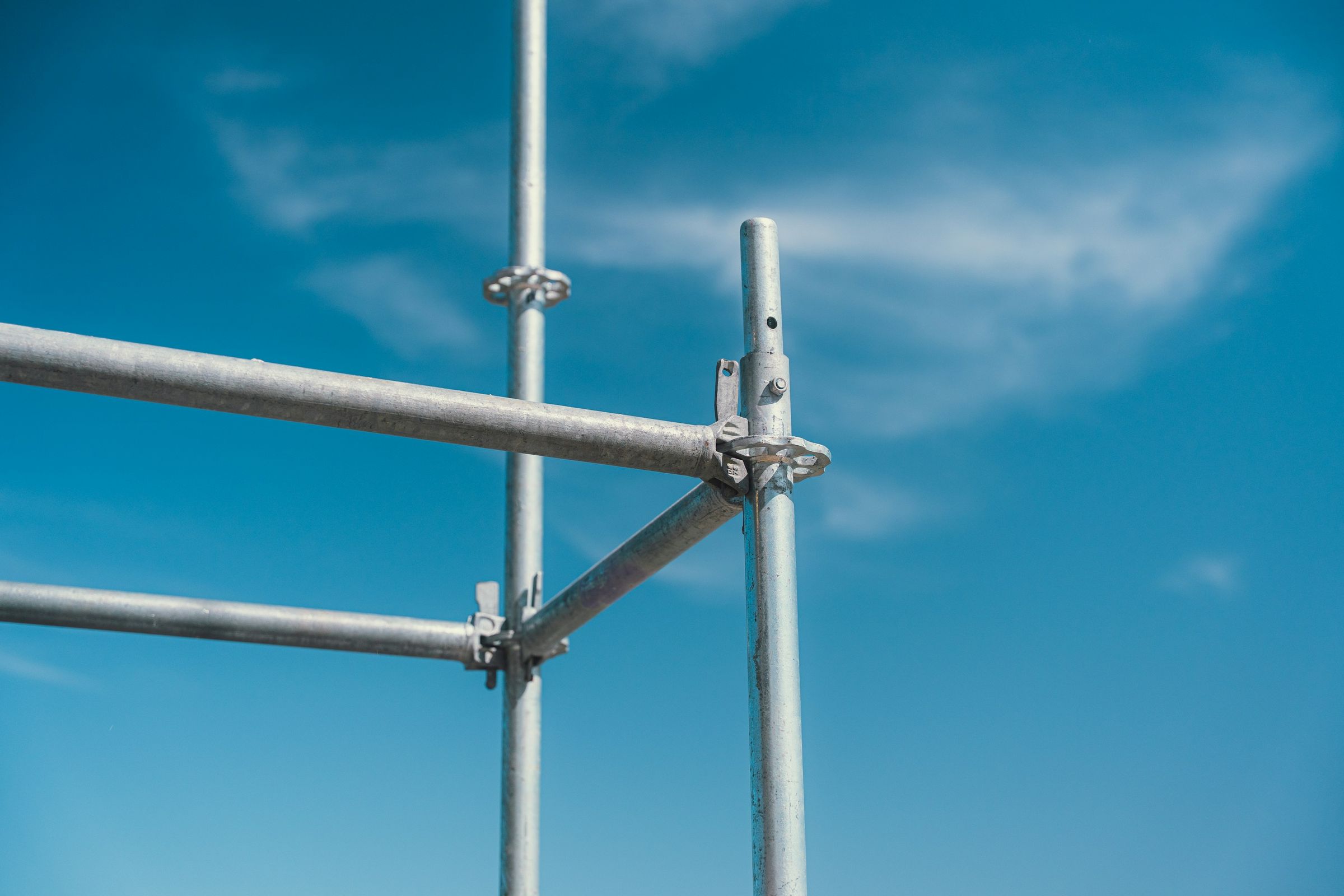
“When it comes to safety, too, they’ve become role models for everyone.”
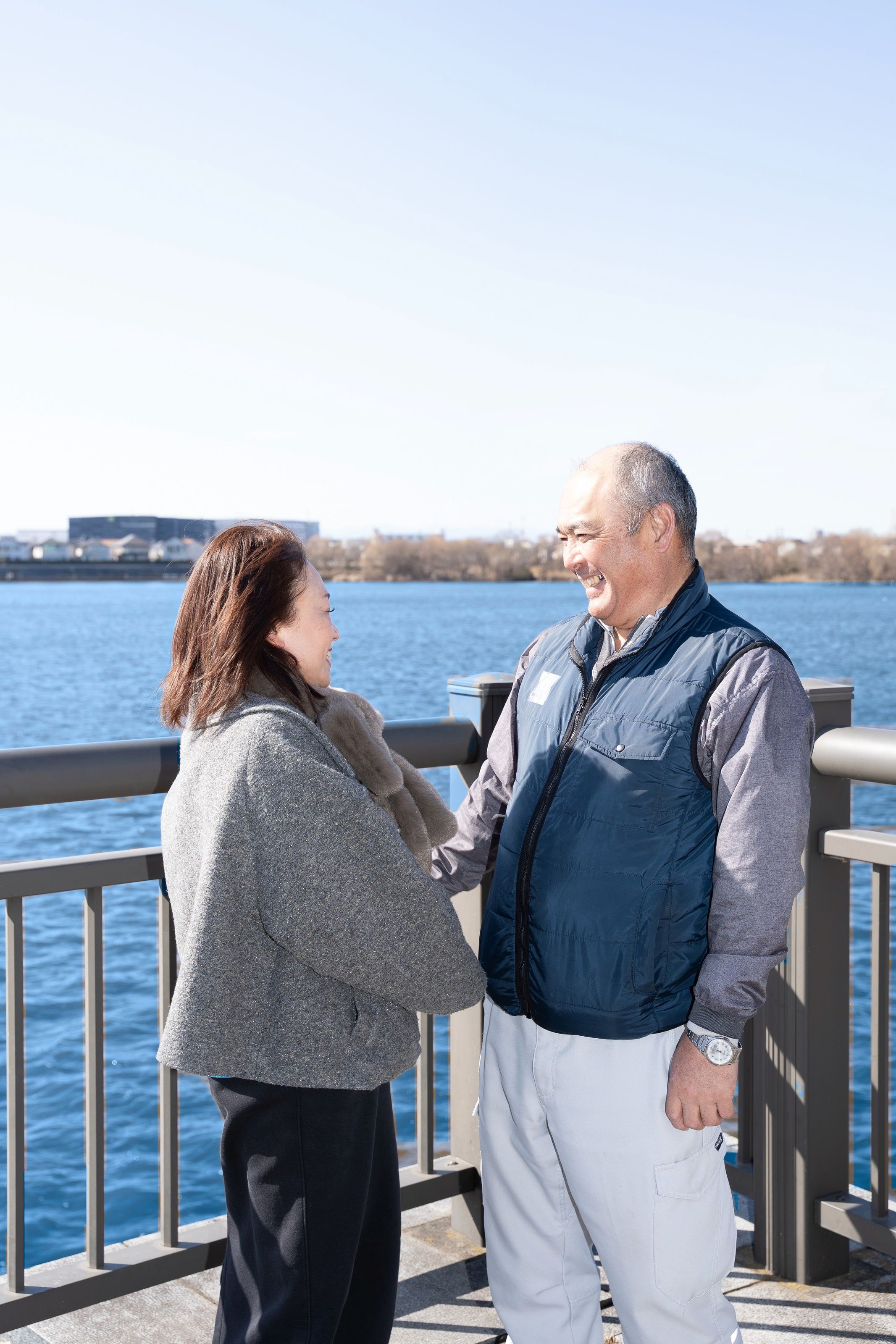
Two homes
First, three years. Then home once, and five more.
Eight years in all he spent with this company before returning to his home country.
To prepare for the Grade 1 skills test, he was given two years’ worth of past exam papers.
Above the questions, like furigana reading aids, he had written his own English translations.
Every single question, without exception.
“Turn it around — if we studied English for six months, could we understand it well enough to be fluent? I’m not so sure I could.”
Back in his home country, he is building a house of his own.
“It’s already coming along.”
We asked the president, who has built formwork for thirty-seven years, what he pictures for himself beyond work.
“A dream, a dream… I’ve got just one. Nothing complicated. I’ve never owned a house. I’d like a big one.”
Battens, plywood, form ties.
At the company where he first learned their names, the president still teaches those names today.
The boy who never came home before dark
now stands at a place someone comes back to.
Here, again.
Afterword
“I’d never met that person, you know.”
The president, too, once came to a company in an unfamiliar place, run by someone he had never met.
Those who welcome others were once welcomed themselves.
Formwork stays beside the concrete, holding it up until it sets.
When its work is done, it is quietly taken off, and only the shape of the building remains.
Standing before each thing and calling out its name, one at a time.
Someday, each of those moments will remain, in the shape of someone.